
Understanding stress and anxiety daily
Modern life often brings a constant background hum of worries, deadlines, and obligations. When stress becomes persistent, it starts to affect sleep, mood, and energy levels. The pathway to relief is not about a single miracle fix but a collection of practical changes that you can weave into your routine. Awareness is the first step, followed How to Reduce Stress and Anxiety Naturally by small, consistent actions that support nervous system balance and emotional resilience. By recognising triggers and responses, you can choose strategies that feel workable rather than overwhelming. This approach helps you regain a sense of control and reduces the impact of stress and anxiety on everyday decisions.
Breathing and body awareness for quick relief
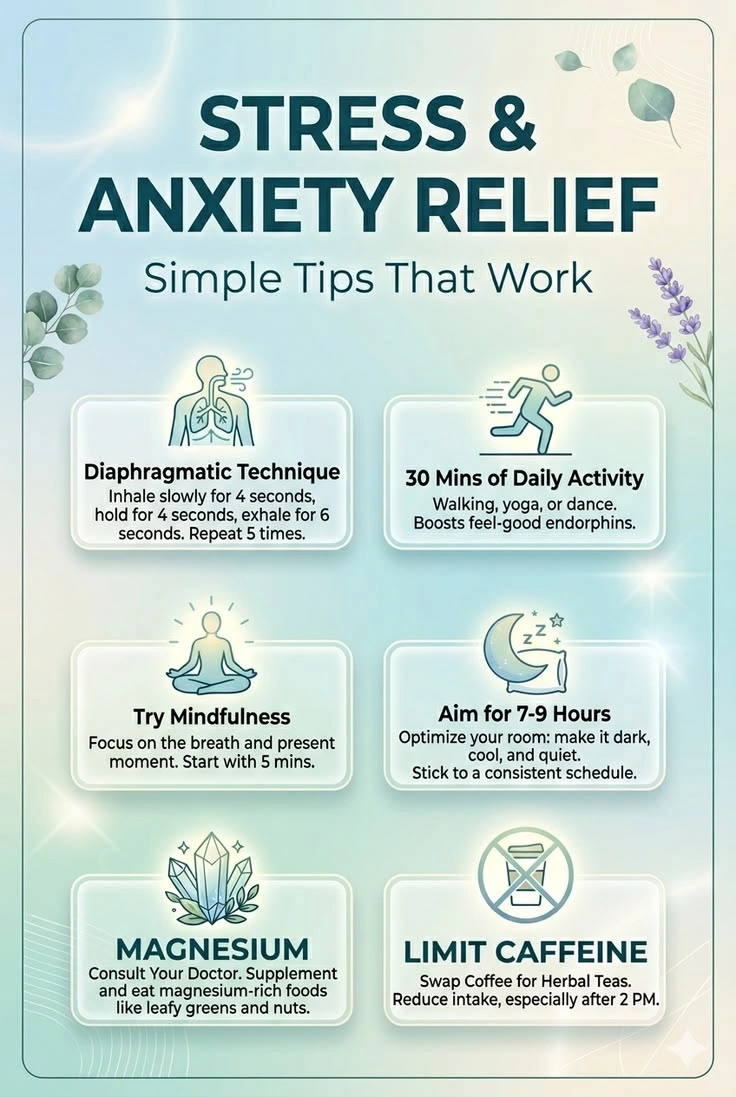
Breathwork is a simple tool with immediate effects. Slow, diaphragmatic breathing can calm the nervous system, lower heart rate, and reduce muscle tension. Try inhaling for four counts, holding for four, and exhaling for six to eight counts. Pair this with grounding attention to bodily sensations in the feet, hands, or chest. Regular short practice sessions build a reliable reflex for calmer responses during tense moments, making it easier to cope with anxiety as it arises. Consistency matters more than intensity here.
Movement that fits into a busy life
Physical activity provides a natural antidote to stress. Gentle forms such as walking, stretching, or yoga release endorphins and reduce cortisol. Pick activities you actually enjoy and schedule them like important meetings. Even a 10-minute movement window can reset mood and sharpen focus. When time is tight, break movement into micro-sessions throughout the day or use a quick routine at the start and end of your workday to create a predictable rhythm that supports mental steadiness.
Nourishing your body for calmer days
Nutrition influences mood and energy. Regular meals with a balance of protein, complex carbohydrates, healthy fats, and fibre support stable blood sugar and sustained concentration. Hydration matters, as dehydration can mimic fatigue and irritability. Minimise highly processed foods and excessive caffeine, particularly later in the day, to avoid sleep disruption. A simple habit is to prepare a protein-rich breakfast and a vegetable-forward lunch, paired with mindful eating cues that slow down consumption and reduce stress-related snacking.
Sleep quality and rest strategies
Quality sleep is foundational to handling stress. Establish a consistent bedtime routine, limit screens before sleep, and create a cool, dark sleeping environment. If worries intrude at night, jot them down in a short notebook to release them emotionally, then practise a brief relaxation or breathing exercise to help drift into restful sleep. Regular daytime light exposure can also improve circadian rhythm, supporting mood and cognitive clarity the following day.
How to Reduce Stress and Anxiety Naturally
How to Reduce Stress and Anxiety Naturally is a phrase that embodies a practical mindset rather than a single technique. Build a toolkit that includes mindful breathing, regular movement, balanced nutrition, good sleep, and social connections. Keep a simple log of what works and adjust slowly when you notice patterns in stress response. Limit comparisons and cultivate compassionate self-talk to reduce rumination. Over time, these habits reinforce a resilient baseline that makes stress feel more manageable and anxiety less consuming, enabling clearer decisions and better well‑being.
Conclusion
Embracing small, steady changes in daily routines can transform how you experience stress and anxiety. Start with practical steps you can maintain, like breathing exercises, short movement breaks, nutritious meals, and reliable sleep habits. Observe how these elements interact and adapt your plan as needed. With consistent application, you’ll build a steadier mood, sharper focus, and a greater sense of control in everyday life.